Ranjatai Incense
I searched all over Kyoto to find the same incense that had been given to me years before on my birthday. The delicate fragrance had scents of sandlewood, spices of cinnamon and clove, and camphor.
In the practice of tea, incense is prized and at some tea gatherings the host will bring out various incense for the guests to appreciate. It’s called “Listening to incense.”
The most highly prized and rare incense is called Jin-koh, also called Agarwood, that comes from Southeast Asia. It’s literally worth it’s weight in gold. Agarwood forms when Aquilaria trees become infected with mold and the tree develops a resin to protect itself. This resin forms in the heartwood of the tree and is what is prized as Agarwood or Aloeswood.
The largest piece of Jin-koh in Japan was given to Emperor Shomu (AD 724-748) as a tribute from China. It has been kept in the Imperial treasure repository since that time. It is named Ranjatai and is the most famous chunk of wood on the planet. It weighs 11.6 kilograms and is 1.56 meters long.
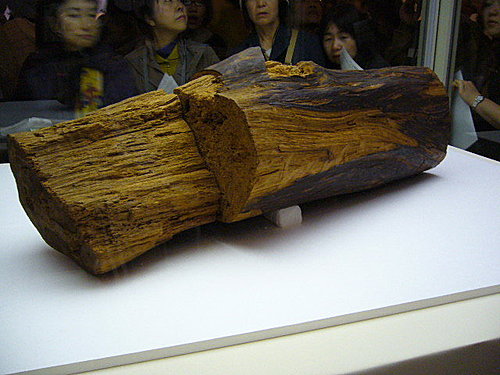 For the past millennium, only a few small pieces have been cut from the Ranjatai.
In 1465, one small piece was ordered by Emperor Gotsuchimikado as a gift to Shogun Ashikaga Yoshimasa. In 1574, a small piece was given from Emperor Oogimachi to general Oda Nobunaga for his efforts in unifying Japan, In 1602, Shogun Tokugawa Ieyasu, who was powerful and influential enough, obtained a piece, and in 1877, Emperor Meiji asked for a piece.
That’s how coveted this piece of wood is.
Nobunaga kept his small piece and then gave fragments of it to two guests who came for a tea gathering. This gift demonstrated his cultural superiority and power. The two guests received Ranjatai fragments presented on open fans. The fans were decorated with cut gold foil.
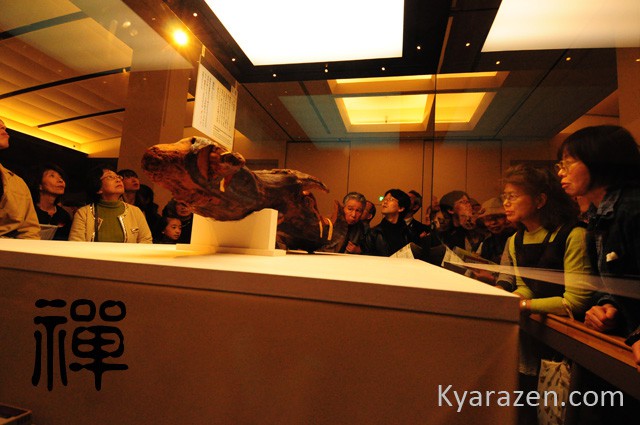
Every ten years Ranjatai is brought out of the treasury repository and exhibited. People line up for hours to view it – the most famous piece of incense in the world.
Crimson colors
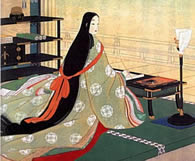
Sei Shonagon sometimes gets irritated with those who wear unsuitable things like “crimson skirted trousers” at the wrong time. And then at times she loves “a white coat worn over a violet waistcoat.”
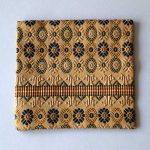
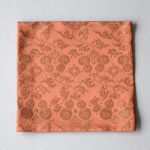
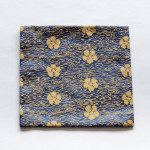
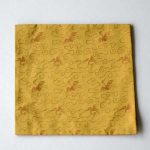
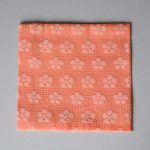
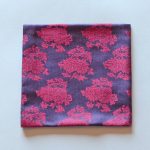
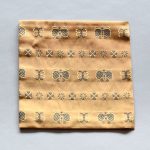
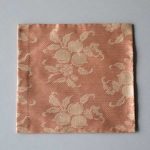
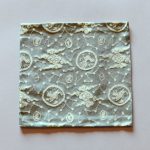
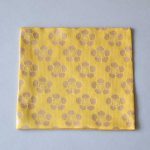
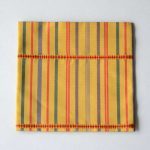
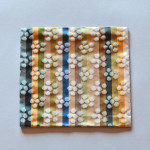
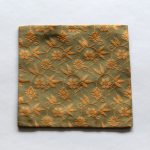
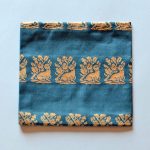
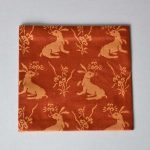
Fabric has always been important in Japan. Today in Kyoto you can visit the shop of Kitamura Tokusai who will bring out sample after sample of old and ancient fabrics that are now used in the tea ceremony to hold a tea bowl in hand. They are called Kobukusa and are much admired. Dazzling and splendid.
Things that are better at night
Sei Shonagon has a list for “Things that are better at night: The glow of deep purple softened silk. Flossed silk. The sound of a waterfall.”
Here are a few of our dark nights in which to delight…
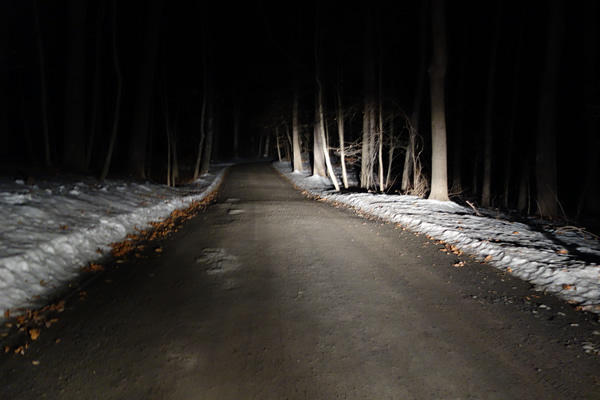
The road home from a solstice party
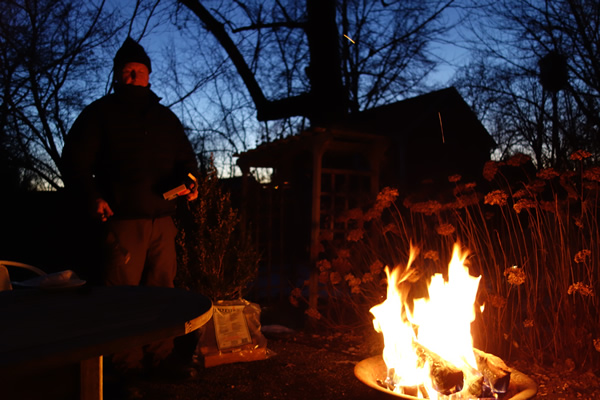
Celebrating Christmas with a fire
November super moon
All day I have been disoriented. One thread of myself not following the other.
The weather report says
“Cloudy skies. Slight chance of a rain shower. Low near 35F. Winds light and variable.”
But they didn’t mention that the full moon tonight is the closest moon to rise in almost 69 years. In fact, the full moon won’t come this close to Earth again until Nov. 25, 2034.
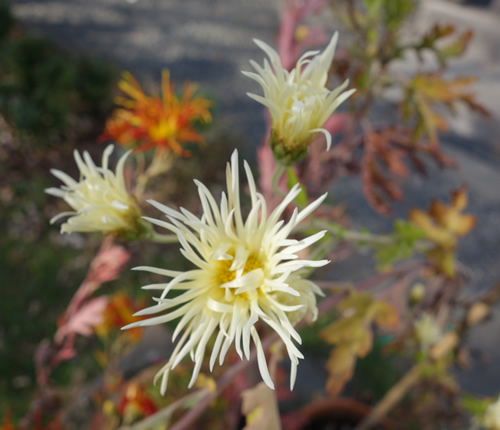
All I know is that my Saga Chrysanthemums have finally bloomed.
Things That Lose by Being Painted
Sei Shonagon in The Pillow Book has a short list for Things That Lose by Being Painted: “Pinks, cherry blossoms, yellow roses. Men or women who are praised in romances as being beautiful.”
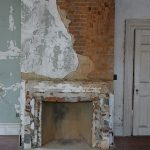
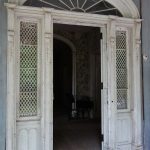
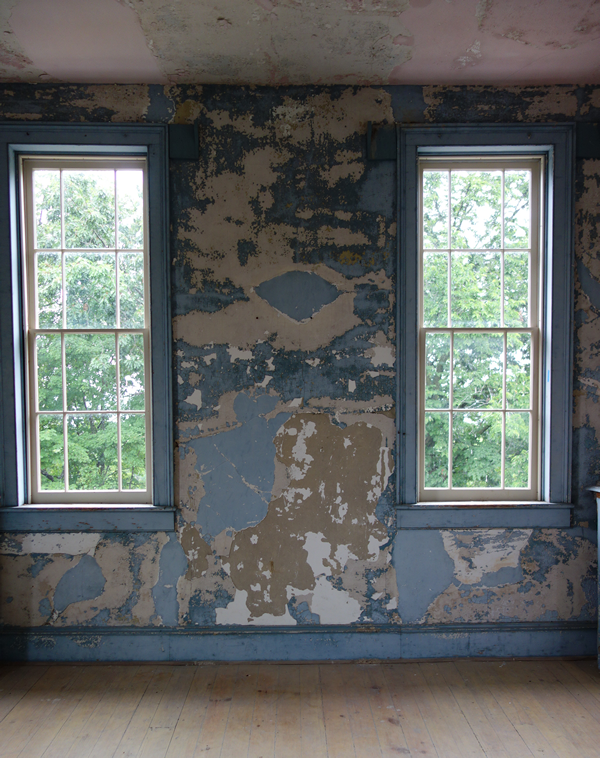
I was invited to a Beethovan string quartet concert at the surviving A.J. Davis Hudson River villa, the Dr. Oliver Bronson House in Hudson, NY. A.J. Davis was one of America’s greatest architects and the house is fantastic. The bones are all there and it’s being restored, but right now it’s a beautiful place with it’s peeling paint and marvelous hundred year old wall paper.